



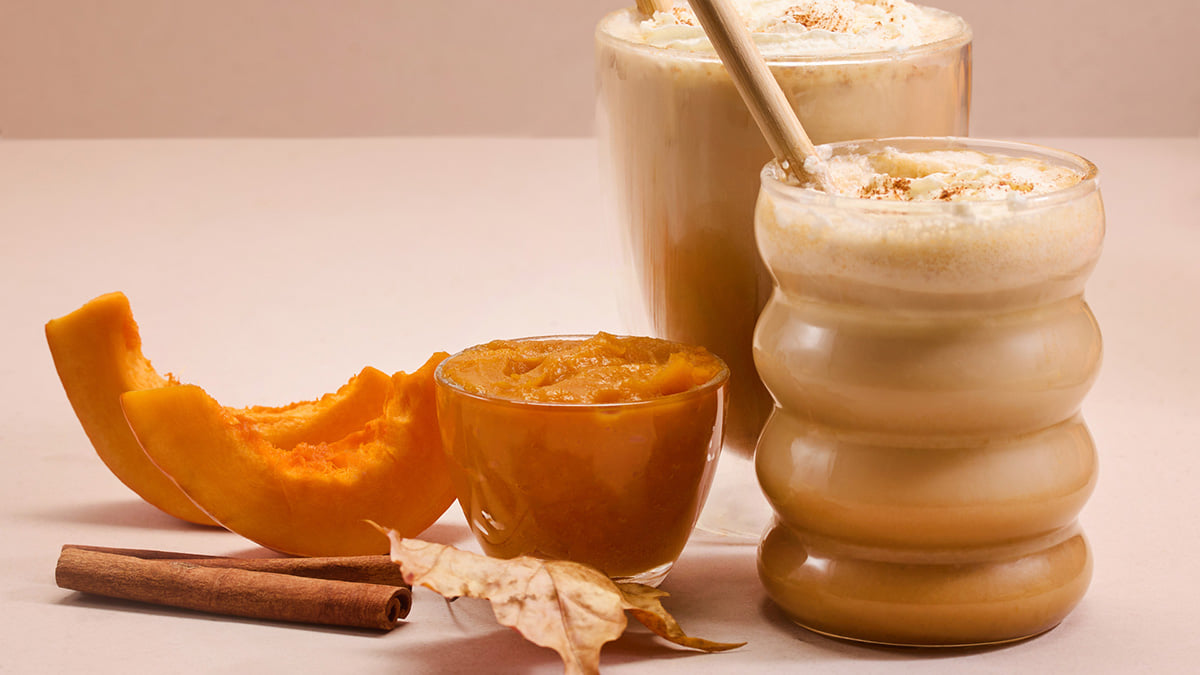
The only pumpkin spice season guide you’ll ever need. Before we get started let me give you the short answer first. Pumpkin spice is a warm baking blend of cinnamon and ginger and nutmeg and cloves that has no pumpkin in it. Canned pumpkin is plain cooked squash with nothing added. Mixing those two up is the number one fall kitchen slip. You walk into the store in October and the shelves glow orange. Two tins look almost the same. One wrong grab and your soup tastes like dessert.
Buy a can labelled “100% pure pumpkin” for most recipes. Stir up your own spice jar in 2 minutes. Skip pie filling unless a recipe asks for it by name. Keep reading and you will learn how to shop and store and cook like a pro all season long.
The Quick Answers Before You Start
Here is the whole pumpkin spice season guide boiled down to seven lines:
Plain puree has 1 ingredient and about 83 calories per cup. You pick the sweetness.
Pie filling carries about 281 calories per cup because sugar and spice are already inside.
Homemade pie spice takes 2 minutes and 5 jars’ worth of flavour fits in one small bowl.
Roasting a squash adds sweeter taste but also 40 to 50 minutes of oven time and a draining step.
An opened can keeps 4 days in the fridge or about 3 months in the freezer.
Pumpkin shines at dinner. One cup brings roughly 1,900 micrograms of vitamin A.
You can cut the sugar in most fall bakes by a quarter to a half and still get that cozy taste.
Each point has its own deep dive. Think of this page as the map and the linked posts as the roads.
What Does Pumpkin Spice Really Mean?
Here is a fun twist. The famous blend holds no squash at all. It’s simply a mix of warm baking spices that happen to pair well with the orange stuff in your pie. Most versions use cinnamon and ginger and nutmeg and cloves. Many bakers toss in allspice too.
McCormick says it has sold a ready made version since 1934. Back then it saved home bakers a trip down the spice aisle. No single “official” recipe exists. That means you get to tweak yours.
Coffee gave the flavour a huge push too! Starbucks tested its fall latte in 100 shops across Vancouver and Washington D.C. in 2003. The first cups held no real pumpkin. That ingredient only joined the drink in 2015. So the spices carried the whole show for 12 years. The brand says it has sold over 500 million of these lattes since then.
Shoppers keep coming back. Nielsen tracked about $511.5 million in fall flavoured grocery sales in the year ending August 2019. That was up 4.7% on the year before. By the year ending July 2023 NielsenIQ counted about $802 million in US sales of pumpkin flavoured items. Food scientist Kantha Shelke told Fortune the pull is simple. The smell stirs up memories. One sniff of cinnamon and you feel like your back in Granny’s kitchen.
Canned Pumpkin vs Pie Filling: The Big Confusion
This is where most fall cooking goes sideways. Canned pumpkin is cooked and mashed flesh and nothing else. Pie filling is that same mash with sugar and salt and spices stirred in.
The gap is wild. Consumer Reports says pie mix can hold about 48 grams of added sugar in one cup. That equals around 12 teaspoons. A cup of plain mash has 7 grams of fibre and only about 83 calories. A cup of pie mix lands near 281 calories and about 71 grams of carbs against roughly 20 grams for plain.
Here is how to read a label fast.
Plain and unsweetened: “100% pure” or “solid pack” or “no sugar added” or just “puree”
Sweetened and spiced: “pie mix” or “pie filling” or “seasoned” or “ready to use”
Words from the first group mean you hold a blank canvas. Words from the second group mean you hold a dessert base. One of the reasons we wrote this pumpkin spice season guide was so you don’t experience the same mistakes we made when we were starting out.
Picture two real kitchens. A mom in Ohio is baking her Thanksgiving pie and wants to set the sweetness herself. A student in Manchester is stirring a big pot of autumn soup and doesn’t want cinnamon anywhere near it. Both need the plain tin.
Let’s say you only have pie filling and the recipe wants plain. You’re in a tough spot because sugar can’t be pulled back out. Trim the sugar in the recipe by a good chunk and go light on spice. Taste the batter before it enters the oven.
The other option is easy and this is what we use as much as possible. For one 15 ounce tin of plain mash try about ¾ cup of sugar and 2 teaspoons of pie spice. Taste and adjust from there.
Our full label breakdown lives in Canned Pumpkin vs Pumpkin Pie Filling.
Is Canned Pumpkin Really Pumpkin?
Mostly yes. The story just has a twist.
The tin in your cupboard rarely holds the round orange globes people carve at Halloween. Many brands use a tan squash called Dickinson. It has tender flesh and a sweeter taste than a jack-o’-lantern. It looks a lot like a butternut. Botanically every pumpkin is a winter squash anyway so nobody is fibbing.
The FDA has called the line between pumpkin and golden fleshed squash “murky.” So some tins hold a blend of winter squashes and the label is still legal. These blends often taste great.
The industry is small. Depending on the source one big brand fills 75% to 85% of the canned mash sold in the United States. The University of Illinois says about 90% of the US crop grows within 90 miles of Peoria. One brand farms around 5,000 acres of Dickinson squash near Morton. So your holiday pie just might have started in the same few fields as your neighbour’s.
Brands also pick different squash types. America’s Test Kitchen found its top pick used Dickinson from Illinois. Its lowest pick used Golden Delicious from Oregon. That is why a favourite recipe can taste a bit off when you switch tins. Bake a small test batch with any new brand. It saves a lot of butter and a lot of sadness.
Fresh Roasted Pumpkin vs the Can
Now the big question. Should you roast your own?
Roasting dries the surface of the flesh and browns the edges. That browning builds those sweet and toasty notes that boiling never reaches. Think golden toast or a campfire marshmallow. The heat also drives off water so each spoonful tastes stronger. We did our own tests at home and on holiday long before we wrote this pumpkin spice season guide up. We gotta admit the taste of freshly roasted squash is noticeable by pretty much everyone who tried it.
A tin takes a longer road. The squash is cooked and packed and heated again so it stays safe on a shelf for up to 2 years. Many cooks say that second round of heat and the long wait flatten the taste. Some notice a faint metal note too. Nobody has proven the cause but plenty of people have I’ve spoken to have mentioned it.
The tin wins on texture. Raw squash flesh is about 90% water. A factory presses out the extra before sealing so every tin comes out thick and steady. At home that job lands on you.
The tin also wins on one nutrition score. Older University of Illinois research found half a cup of canned mash gave 540% of the daily need for beta carotene. Half a cup of cooked home mash gave 27%. Makers choose deep orange squash and boil off water so each spoonful is packed tight. Home mash is still a healthy pick. It just comes in a lighter dose.
Which one should you use? Try this quick guide
Soups and pasta and sauces: roast your own. The deeper taste shows where nothing hides it.
Pies and bars and cheesecakes: open a tin. A thick base keeps slices firm and swirls neat.
Short on time: grab the tin and enjoy your evening.
Want the side by side results from real bakers? Read our write up on Pumpkin Puree vs Fresh Roasted Pumpkin. This pumpkin spice season guide only shows the highlights.
How to Roast Your Own Pumpkin the Right Way
Ready to try it? Here is the simple method:
Pick a small sugar pie pumpkin that weighs 2 to 4 pounds (1 to 1.8 kg). Butternut and kabocha make good back ups. UK bakers also love Crown Prince squash.
Cut it in half and scoop out the seeds. Save them for a crunchy snack.
Chop the halves into chunks. Roast at 400°F (200°C) for 40 to 50 minutes. A fork should slide in with ease but the chunks should hold their shape.
Let them cool. Scoop the flesh from the skin.
Blend until smooth.
Drain it. Line a sieve with cheesecloth or a coffee filter and set it over a bowl. Leave it for 30 to 60 minutes.
Here’s a quick test that will save you a headache later. Spoon a dollop onto a plate and wait 2 minutes. A watery ring around the edge means it needs more time. You want it thick enough for a spoon to stand up in it.
I know they look nice but try skipping the giant carving pumpkins. They are stringy and watery and just a bit bland. Choose a squash that feels heavy for its size with a dry stem and no soft spots.
A 3 pound (1.4 kg) sugar pumpkin gives about 2 cups of mash. A standard 15 ounce (425 g) tin holds about 1¾ cups. So you can swap them cup for cup as long as your homemade batch is thick. A 9 inch pie needs about one tin’s worth.
Avoid roasting for too long as the flesh turns mushy. Once you blend it’s gunna look more like baby food. No one wants that in a pie.
What to Do With Leftover Puree
You opened a tin for one recipe and now half of it sits there staring at you. Not to worry. That orange mash is more useful than you think.
In the fridge. Pumpkin is a low acid food so it needs cold storage once opened. The USDA says up to 4 days. A Libby’s spokesperson told Allrecipes up to 1 week. When in doubt pick the shorter time. Spoon the extra into a clean container with a tight lid and stick a dated piece of tape on top. The USDA says leftovers may stay in the tin but flavour lasts longer in glass or plastic and the metal can add a tinny taste.
In the freezer. Frozen mash holds its best flavour for about 3 months. It stays safe longer but the taste slowly fades. Two easy ways to do it:
The quick way: scoop it into a zip bag. Press out the air and lay it flat so it stacks.
The smart way: drop ½ cup scoops into a muffin tin or 1 tablespoon mounds into an ice cube tray. Freeze until solid. Pop them out and move them to a freezer bag.
A ½ cup scoop suits one batch of muffins. One cube suits a smoothie or a bowl of oats. This way you never thaw more than you need.
Thawing. Move it to the fridge the night before. Then give it an extra hour on the counter. Don’t panic if it looks watery or split. Just stir well and it smooths right out. Treat it like fresh leftovers and use it within about 4 days.
Check for these signs before you cook
A sour or odd smell means toss it.
Mold or a darker colour means toss it.
A slimy feel or lots of watery liquid is a warning sign.
Sealed tins last much longer. Some sites say 2 to 5 years but the safer rule is to read the date on the lid. The USDA says to throw out any tin that bulges or leaks or rusts or has a deep dent along the seam.
You can also swap leftovers for fat in baking. Libby’s says the mash can stand in for eggs or oil or butter in many recipes. Start by replacing about half the oil.
Need ideas for some autumn inspiration? Our post on What To Do with Leftover Canned Pumpkin lists 12 of them.
How to Make Your Own Pumpkin Pie Spice
This part is the most fun and it takes 2 minutes. This pumpkin spice season guide would feel empty without the classic ratio:
4 teaspoons ground cinnamon
1 teaspoon ground ginger
1 teaspoon ground nutmeg
½ teaspoon ground allspice
½ teaspoon ground cloves
Stir it all in a small bowl. Pour it into a clean jar with a tight lid. You get about 7 teaspoons which covers 4 to 7 pies.
An easy way to remember it is 8-2-2-1-1. Cinnamon is the star so it gets the biggest share. Ginger and nutmeg are the backup singers. Allspice and cloves are the loud ones so they get only a pinch.
Baking just 1 pie? Make a quarter batch with 1 teaspoon of cinnamon and ¼ teaspoon each of ginger and nutmeg. Then add ⅛ teaspoon each of allspice and cloves.
Here’s some easy tweaks you can use.
Want more kick? Add a bit more ginger.
Want it sweet and cozy? Use more cinnamon and fewer cloves.
Want a grown up twist? Try a tiny pinch of black pepper.
Want a stronger smell? Grate a whole nutmeg. Whole spices hold their flavour longer.
Go easy on cloves. Too much and dessert turns bitter and a little like medicine. In one home test of 3 small batches baked side by side the mix lighter in clove won every round.
No Spice Jar? Try These Swaps
Each swap replaces 1 teaspoon of the pumpkin pie blend:
Apple pie spice: use 1 teaspoon. A straight swap.
Mixed spice (UK): use 1 teaspoon. Also a straight swap and a close cousin of the American blend.
Cinnamon and nutmeg and allspice: mix ½ teaspoon cinnamon with ¼ teaspoon nutmeg and ¼ teaspoon allspice.
Only cinnamon: use 1 teaspoon. The taste is simpler but still cozy.
A Quick Word on Cinnamon
Most jars in US and UK shops hold cassia cinnamon. It carries more of a natural compound called coumarin than Ceylon cinnamon which many call “true cinnamon.” Germany’s food safety agency (the BfR) sets a daily limit of 0.1 mg per kilogram of body weight. A 60 kg adult reaches that limit with about 2 grams of cassia a day. The agency also says going a little over for a week or two is not seen as a health risk.
Now the pie math. A pie with 1½ teaspoons of the blend holds about 2 grams of cinnamon. Cut it into 8 slices and each slice holds about a quarter of a gram. So pie is fine. If you stir the blend into coffee every single day then Ceylon is the smarter choice.
How To Store Your Home Made Blend
Ground spices rarely spoil. They just fade. McCormick says single ground spices last about 2 to 4 years while blends about 1 to 2 years. A homemade mix counts as a blend so plan on the shorter side. Our own rule is to use it within 6 months. Better not to be lazy and use fresh batches than risk spoiling a dessert you worked hard on right?
Keep it in a glass jar with a tight lid.
Store it in a cool and dark cupboard. Skip the shelf above the stove because heat and moisture and sunlight rob flavour.
Write the date on the lid.
Rub a pinch between your fingers and sniff. Strong and sweet means go. Faint and dull means mix a fresh batch.
How much should you scoop? Use 1 to 2 teaspoons for a 9 inch pie and 1 teaspoon for muffins or a loaf. For lattes a small pinch goes a long way. The blend also tastes lovely on roasted carrots and sweet potatoes.
Every ratio and swap sits in How To Make Your Own Pumpkin Pie Spice Mix. Then put your jar to work in a homemade pumpkin spice latte and skip the long coffee shop queue.
Pumpkin Is Not Just for Dessert
Think pumpkin belongs only in pie? Not so fast. Any honest pumpkin spice season guide needs to cover dinner. Plain mash tastes mild and a little sweet. Picture a cross between carrot and butternut. It has no added sugar so it happily takes on any flavour you give it. It also melts into sauces and makes them silky without a big pour of cream.
It’s good for you too. USDA FoodData Central says one cup weighs about 245 grams. That cup brings only 83 calories and around 7 grams of fibre. It also holds roughly 1,900 micrograms of vitamin A which is more than double what most adults need in a whole day. Ohio State University Extension adds that a 2,000 calorie diet calls for at least 5.5 cups of red and orange veggies each week. Even one scoop helps you get there.
Here is a neat trick. Your body needs a little fat to soak up the beta carotene that gives pumpkin its sunny colour. A 2004 Iowa State University study found people absorbed almost none of these nutrients from salads when the dressing had no fat. So the olive oil and butter and cheese on your plate are doing more than you realize.
One more tip on salt. A cup of salted canned pumpkin can hold about 590 milligrams of sodium. Plain tins hold far less so look for “no salt added.”
Pumpkin Soup in 30 Minutes
Cook 1 chopped onion and 2 garlic cloves in a spoon of oil until soft.
Stir in 2 cups of mash and 3 cups of stock.
Simmer for 15 minutes.
Blend until silky.
Season with salt and pepper.
Want a fancier bowl? One spoon of red curry paste plus half a tin of coconut milk makes a Thai inspired twist. Smoked paprika and crispy bacon bits feel cozy in a whole new way. A swirl of Greek yoghurt makes it look twice as fancy. Cheese fans should try our Pumpkin and Feta Soup where the feta melts into tangy little pockets.
Pumpkin Pasta Sauce
Warm about 1 cup of mash in a pan with garlic and a splash of starchy pasta water. Toss in your noodles. Finish with parmesan and fresh sage. That amount suits 250 grams (8 ounces) of dry pasta. Italy has loved this idea for ages. In the city of Mantua cooks stuff little pasta parcels with squash and serve them with butter and sage. For a speedy weeknight version try our Butternut Pumpkin Pasta.
More Dinner Ideas With Real Amounts
Chili: stir in ½ cup for a thicker and richer pot.
Curry: simmer 2 cups with 1 tin of coconut milk and 2 spoons of curry paste for 20 minutes. Serve over rice.
Risotto: fold in ¾ cup during the last 5 minutes.
Mac and cheese: mix ½ cup into the cheese sauce. Kids rarely notice.
Pizza: spread it on the dough in place of tomato sauce. Top with mozzarella and rocket (arugula in the US).
Hummus: swap a third of the chickpeas for pumpkin and add a pinch of cumin.
Quesadillas: mash it with black beans and cheese and fry until crisp.
Fixing Common Dinner Problems
Too watery? Simmer with the lid off for 5 to 10 minutes. Or warm the mash in a dry pan for 2 minutes first.
Too sweet? Add salt or lemon juice or some heat.
Too thick? Loosen it with stock or pasta water.
Boring? Add more garlic and fresh herbs.
Sage and thyme and rosemary and cumin all fit right in. So do chilli flakes and smoked paprika. For salty and sharp notes reach for feta or parmesan or goat cheese or chorizo. A squeeze of lemon wakes up the whole pot like a splash of cold water on your face.
Leftover savoury mash lasts 3 to 4 days in the fridge and 2 to 6 months in the freezer according to USDA guidance. See more dinner plans in our Savoury Pumpkin Recipe Ideas part of this fall series.
Low Sugar Pumpkin Spice Treats
Now the sweet side. One grande pumpkin spice latte from Starbucks holds about 50 grams of sugar. Nutrition Action from the Center for Science in the Public Interest estimates roughly 32 grams of that is added sugar. That is close to 8 teaspoons in one cup. A smart pumpkin spice season guide has to show a lighter option, wink wink.
The good news is that plain mash is low in sugar. USDA data lists about 3.3 grams per 100 grams. A whole cup comes to roughly 8 grams and all of it’s natural. Spice does the rest. Warm smells like cinnamon and vanilla trick your nose into expecting sweetness. Think of spices as the lead actor and sweetener as the side hero.
5 Ways to Boost Flavour Without Sugar
1) Add extra spice. Raise the cinnamon by ½ teaspoon and add a pinch of ginger.
2) Toast the spices. Warm them in a dry pan on low heat for 30 seconds.
3) Use vanilla and salt. About 1 teaspoon of vanilla and ¼ teaspoon of salt make a lighter batch taste rounder.
4) Add orange zest. One teaspoon gives pumpkin a bright and fresh edge.
5) Try a deep flavour. A spoon of browned butter or 1 teaspoon of molasses adds a caramel note.
Smart Sugar Swaps
Start by using less. If a recipe asks for 1 cup of sugar try ¾ cup. Next time try ½ cup. Your taste buds adjust faster than you think.
Fruit helps too. A mashed ripe banana or ¼ cup of unsweetened applesauce brings soft sweetness to muffins. Chopped dates work well in oat bars and cookies. All 3 keep the crumb moist.
Maple syrup and honey and coconut sugar pack so much flavour that you need less. Maple and pumpkin go together like toast and butter. For truly sugar free baking look at monk fruit blends or stevia or erythritol. Many measure 1 to 1 with sugar but check the bag.
Some like Stevia leave a slight aftertaste in the mouth in big amounts so maybe start small and work your way up. Bakers in the UK can use a little maple syrup or a sugar free baking blend in place of caster sugar or golden syrup.
Easy Low Sugar Ideas
Oat muffins. Rolled oats add a chewy bite. One mashed banana lets you drop ¼ cup of sugar without anyone noticing. Try our Pumpkin Oat Muffins.
Mousse. Fold ½ cup of mash into 1 cup of softly whipped cream. Add ½ teaspoon each of cinnamon and vanilla plus 1 to 2 tablespoons of maple syrup. Chill for 1 hour. See our Pumpkin Mousse Recipe.
Overnight oats. Stir ½ cup of oats and ½ cup of milk with ¼ cup of mash and ½ teaspoon of spice. Chill at least 6 hours.
Yogurt bowl. Mix 1 cup of plain Greek yogurt with ¼ cup of mash and ½ teaspoon of cinnamon. Top with toasted walnuts.
Chia pudding. Whisk 3 tablespoons of chia seeds into 1 cup of milk with ¼ cup of mash and a little spice. Chill 4 hours. It keeps about 4 days.
Roasted wedges. Toss wedges with 2 tablespoons of olive oil and 1 teaspoon of cinnamon and a pinch of nutmeg. Roast at 400°F (200°C) for 25 to 30 minutes.
Keep Lighter Bakes From Drying Out
Sugar holds on to water so a bake with less of it can turn dry fast. Try these fixes:
- Stir in 2 to 3 tablespoons of Greek yogurt or applesauce.
- Blot the mash with a paper towel or drain it for a few minutes.
- Mix just until no dry flour shows.
- Use a toothpick. Lighter bakes look paler since sugar helps browning. A few moist crumbs on the pick means done.
- Cool for 20 minutes. Flavours settle as things cool.
- Store in the fridge up to 4 days or freeze up to 3 months.
More ideas wait in our post on Low Sugar Pumpkin Spice Recipes.
Shopping Tips for the United States and the UK
In the United States both tins sit close together on the baking shelf. Read the front and the back. “100% pure pumpkin” is what you want for most recipes. “Pumpkin pie filling” or “pie mix” has the sugar and spice. By Thanksgiving a tin sits on nearly every shelf.
In the UK tinned mash is harder to find. Check the baking aisle or the American food section in big supermarkets. Stock often appears around autumn. Many British bakers roast their own near Halloween and Bonfire Night. We’ve found that Butternut turns up at Aldi and Lidl in October. An average UK butternut makes about 1 cup of mash. Sweet potato works 1 to 1 too. Acorn squash will do in a pinch but bakes may look paler.
Butternut is the easiest swap in both countries. It gives a smooth and sweet mash.
Your Fall Pantry Checklist
Keep these on hand so you are always ready:
- 2 tins of plain pumpkin
- A jar of homemade pie spice with the date on the lid
- Vanilla and salt and an orange for zest
- Maple syrup or honey
- A bag of frozen mash cubes
- Garlic and stock and parmesan for savoury nights
- Greek yogurt for moisture in lighter bakes
Quick Rules to Remember
1) Read the front and the back of the tin every time.
2) Look for “100% pure pumpkin.”
3) Drain home roasted mash for 30 to 60 minutes.
4) Test a new brand in a small batch first.
5) Taste your batter before it bakes.
6) Date every leftover.
7) Go light on cloves.
Where to Go From Here
Start with one small win. Mix a jar of spice tonight. Next week roast a squash or open a tin and simmer a pot of soup. Then bake a tray of muffins and freeze some mash for later. For a showstopper dessert try our Pumpkin Cheesecake Swirl Pie. It needs a thick base so the swirls stay neat and the slices stay firm.
Use this pumpkin spice season guide whenever you stand in that orange aisle wondering which can to grab. Pick plain puree and mix your own spices and taste as you go. The rest is just good food and a warm kitchen. Happy baking!