



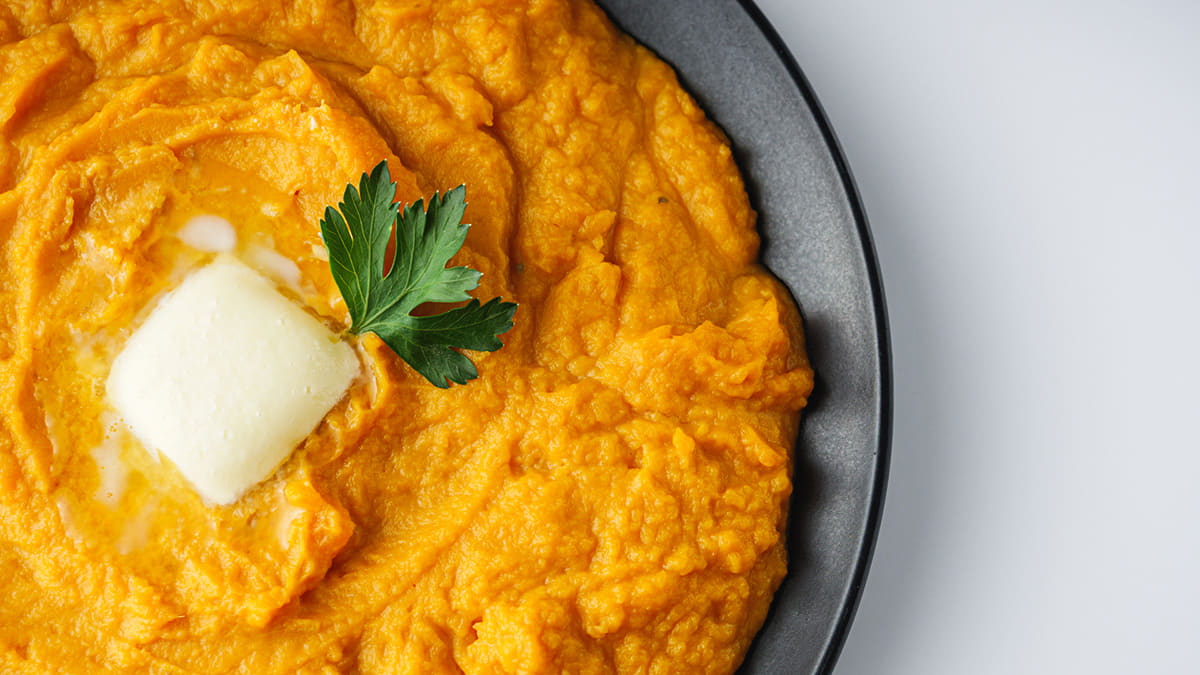
Think pumpkin belongs only in pie? Not so fast. Savoury pumpkin recipes are dinner dish ideas that use the puree as a creamy and slightly sweet base instead of a dessert filling. Soup, pasta sauce, curry and chili all work great. Skip the cinnamon. Add salt, garlic, herbs and a little heat and that tin in your cupboard becomes a proper meal.
I’ve cooked with puree for years in my own kitchen and I keep learning the same lesson. The tin is never really the problem. The seasoning is. Treat it like a mild vegetable instead of a pie filling and it can carry a whole dinner.
Below you will find how to pick the right puree and the easiest dishes to start with. You will also see how to fix common mistakes I’ve seen people make before and how long leftovers last.
Why Does Puree Work So Well at Dinner Time?
Plain puree tastes mild and a little sweet. Imagine a cross between carrot and butternut squash. It has no added sugar so it happily takes on whatever flavours you give it. It also melts into sauces and makes them thick and silky without a big pour of cream. That is why 1 spoonful can rescue a thin soup or a runny curry.
It’s a smart pick for your health too. According to the USDA FoodData Central database one cup of canned puree weighs about 245 grams and brings only 83 calories. It also packs around 7 grams of fibre. Then comes the show off number. That same cup holds roughly 1,900 micrograms of vitamin A which is more than double what most adults need in a whole day.
Here is a fun twist you might find interesting. Your body needs a little fat to soak up the beta carotene that gives puree its sunny colour. A 2004 study from Iowa State University found that people absorbed almost none of these nutrients from salads when the dressing had no fat at all. So the olive oil, butter or cheese in your dinner is doing real work. It’s not just there for the taste.
Is Canned Pumpkin Really Pumpkin?
Short answer yes with a twist. Most canned puree in the United States comes from a type called Dickinson. Libby’s is the biggest name in the aisle and it says it grows this type itself. The skin is tan and the shape looks more like butternut squash than a typical Halloween jack o lantern that we all love. The FDA has said the line between pumpkin and golden fleshed winter squash is blurry so the label is allowed. Botanically every pumpkin is a squash anyway. What matters to you is simple. It tastes great and cooks smooth.
Now for the label. Look for a tin that says 100% pumpkin the next time your shopping for winter or for Halloween. Pumpkin pie filling is a different product with sugar and spices added into it. It will make your pasta taste like a candle (not that I’ve tasted one of those before). In my experience this is the number one mistake on a first try. I gotta admit I made this silly mistake back in the day when I was really new to cooking and baking.
Over in the UK tinned puree can be harder to find so many home cooks make their own. Cut a small sugar pie pumpkin or a butternut squash into wedges. Roast them at 200°C (400°F) for about 45 minutes. Scoop out the flesh and blend it smooth. Skip the giant carving ones. They are watery and stringy and hardly have much taste to it. Either way works well for savoury pumpkin recipes.
How Do You Turn Puree Into Soup?
Soup is where most savoury pumpkin recipes begin and it takes under 30 minutes. Cook one chopped onion and two garlic cloves in a spoon of oil until soft. Stir in two cups of puree and 3 cups of stock. Simmer for 15 minutes and then blend until silky. Season with salt and pepper and you are done!
Want to dress it up? One spoon of red curry paste and half a tin of coconut milk makes a Thai style bowl. Smoked paprika with crispy bacon bits feels cosy in a whole different way. When we made a big pot for a chilly weekend lunch a swirl of plain Greek yoghurt on top made it look and taste twice as fancy. If you love salty cheese try our pumpkin and feta soup. The feta melts into tangy little pockets and it takes hardly any extra effort.
Can You Use Puree in Pasta Sauce?
Yes and it works better than you might guess. Warm about one cup of puree in a pan with garlic and a splash of starchy pasta water. Toss in your noodles. Finish with parmesan and fresh sage.
That amount suits 250 grams (8 ounces) of dry pasta and the sauce clings to every bit of it. Italy has loved this idea for ages.
Did you know in the city of Mantua cooks fill little pasta parcels with squash and serve them with butter and sage? Yum!
For a quick weeknight version try our butternut pumpkin pasta. It’s the kind of dinner that makes everyone at the table ask for seconds.
What Else Can You Cook With Puree?
Picture a rainy Tuesday. You have rice, a tin of puree and half a jar of curry paste. That is dinner in 25 minutes.
Here are more easy ideas with real amounts so you can start right away.
- Chili: stir half a cup into a big pot of chili or bean stew for a thicker and richer finish.
- Curry: simmer two cups of puree with a tin of coconut milk and two spoons of curry paste for 20 minutes. Serve over rice.
- Hummus: swap a third of the chickpeas for puree and add a pinch of cumin.
- Risotto: stir in three quarters of a cup during the last five minutes for creamy orange rice.
- Mac and cheese: mix half a cup into the cheese sauce. Kids rarely notice.
- Pizza: spread it on dough instead of tomato sauce and top with mozzarella and rocket (arugula in the US).
- Mashed potato: fold in a few spoons for a golden side dish.
- Quesadillas: mash it with black beans and cheese and fry until crisp.
In my experience just one or two of these tweaks can make savoury pumpkin recipes feel brand new at your table.
One of my personal favourite lazy savoury breakfast ideas I’ll eat during autumn is warm toasted buttered bread topped with cream cheese and a hummus ‘n’ pumpkin spread. I like to enjoy this with a nice hot drink to kickstart the day. Did I mention that it’s also a great way to solve your leftover food problems?
Which Flavours Go Well With Puree?
Sweet foods need a little contrast. Sage, thyme, rosemary, garlic, ginger and cumin all fit right in. So do chilli flakes and smoked paprika. For salty and sharp notes reach for feta, parmesan, goat cheese, bacon or chorizo. Finish with a squeeze of lemon or a dash of vinegar. A bit of acid wakes up the whole dish like a splash of cold water on your face.
In our kitchen a squeeze of lemon has rescued more flat soups than any other trick. If it still tastes dull it probably needs more salt. Add a pinch at a time and taste as you go.
What if It Turns Out Too Watery or Too Sweet?
Too watery? Simmer it with the lid off for five to ten minutes. You can also warm the puree in a dry pan for a quick 2 minutes before you start so extra water steams away.
Too sweet? Add salt, lemon juice or some heat.
Too thick? Loosen it with stock or a splash of pasta water.
Tastes boring? That is your cue for more garlic and fresh herbs.
How Long Does Leftover Puree Last?
A standard 15 ounce tin holds about 1 and three quarter cups so most recipes leave you with some spare. USDA guidance says leftovers are best eaten within 3 to 4 days in the fridge. Move the puree into a clean lidded container first since the metal tin can give it a tinny taste. For longer storage the same guidance says frozen leftovers keep their best quality for roughly 2 to 6 months.
I freeze mine in half cup portions using an ice cube tray and then pop the cubes into a bag. A few cubes dropped straight into a hot pot means you can whip up savoury pumpkin recipes on a busy weeknight without opening a fresh tin. You can read more on leftover safety from the Cleveland Clinic.
Your Turn to Cook
Once you try savoury pumpkin recipes you may never see that tin as dessert only again. Start with soup or pasta and then work your way through the other meal ideas. Want more winter inspiration? Head back to our Ultimate Fall Pumpkin Spice Season Guide for sweet treats and cosy drinks too.