Vish G
August 20, 2026
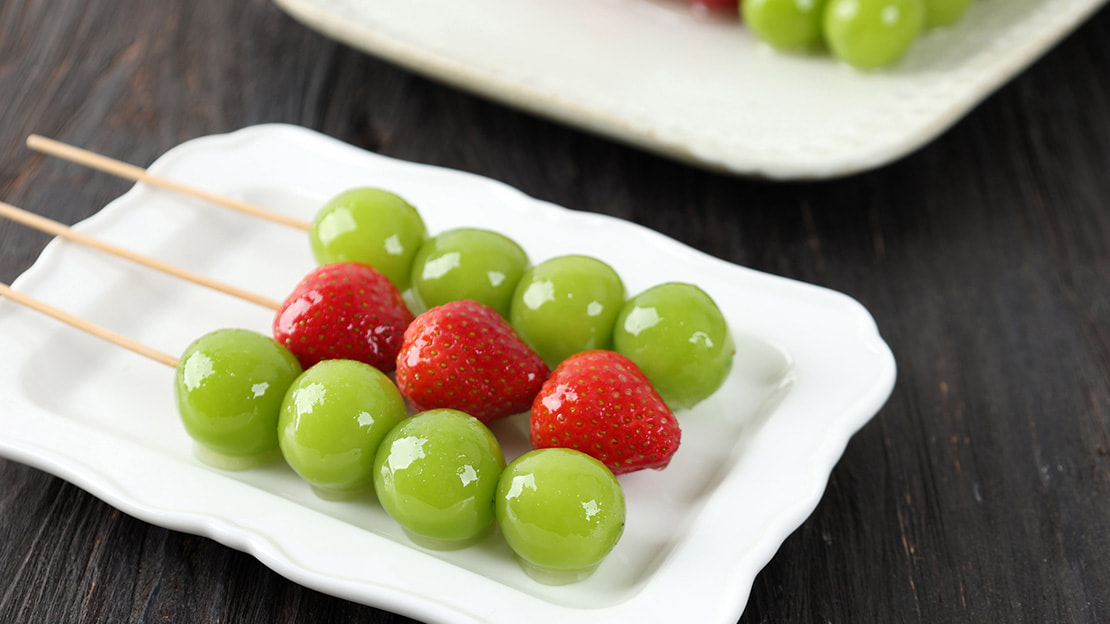
Asian tanghulu candied fruit is one of those iconic Chinese street snack recipes that you know are going to be viral from the way it looks. Made with fresh fruits that get coated into a hard candy like shell from sugar that gives every bite it’s addictive taste. We first tried these during our travels to South East Asia and wanted to share this easy sweet snack with our readers so you can enjoy them at home anytime you like. Follow our tips on how to make this the right way for yummy results.
Pairing Suggestions
PREP TIME
20 MIN
COOK TIME
15 MIN
SERVINGS
8
Tanghulu is made by putting fresh fruit onto skewers and dipping it into sugar syrup that has been cooked to the hard crack stage. The syrup quickly cools around the fruit and forms a thin clear crunchy shell.
For the best results with strawberries and grapes make sure the fruit is completely dry before dipping. Cook the sugar syrup to about 150 to 152°C (302 to 306°F) then dip each skewer quickly, rotate it once to cover the fruit and let the excess syrup drip back into the pan. A quick flick of the skewer helps remove any extra syrup so you get that delicate glassy coating rather than a thick layer.
The key is to work quickly once the syrup is ready. As it cools it becomes thicker and much harder to spread thinly.
The most reliable way is to use a candy thermometer and cook the syrup to around 150 to 152°C (302 to 306°F).
If you don't have a thermometer you can use the cold water test. Drop a very small amount of the hot syrup into a cup of cold water. It should immediately turn into a hard brittle piece that doesn't dissolve. When you take it out and press it, it should crack rather than bend or stay soft.
This works because you are looking for the hard crack stage. If the syrup is not hot enough then the finished coating will be soft or sticky instead of crisp. Our readers report that reaching around 300°F was the turning point between successful and unsuccessful batches.
If you have a thermometer, use it. Sugar becomes much less forgiving near the end of cooking and the temperature can rise surprisingly quickly. You don't want to let the mixture turn amber colour as it can start to turn bitter.
The most common reasons are that the syrup didn't get hot enough, the fruit was wet or the tanghulu was exposed to too much moisture after it was made.
The syrup needs to reach the hard crack stage around 150 to 152°C (302 to 306°F). If you dip the fruit before reaching that temperature, the coating can remain soft and sticky.
Your fruits also needs to be extremely dry. Water on the surface prevents the sugar from gripping the fruit properly and moisture from juicy fruit can eventually soften the candy from underneath. People who have experimented with pineapple, kiwi and citrus have found that wetter fruit can cause the coating to slide off or soften very quickly.
Humidity matters too. Sugar readily picks up moisture from the air which is why tanghulu is best eaten soon after making it. People making candy coated strawberries regularly report that the coating eventually dissolves because moisture moves from the fruit into the sugar.
Sugar can crystallize when the syrup is disturbed or when stray sugar crystals encourage the rest of the syrup to crystallize.
Once the sugar has dissolved and started boiling, stop stirring. Keep the sides of the pan clean and avoid getting water or other ingredients into the syrup while it is cooking.
A small amount of glucose syrup or light corn syrup makes the recipe considerably more forgiving because it interferes with sugar crystallisation.
That's why our recipe uses a small dash of glucose syrup and cream of tartar. You can make tanghulu with just sugar and water if you wish but these additions give a beginner a much larger margin for error.
The secret is not to leave the fruit sitting in the syrup. Once your syrup has reached the correct temperature, tilt the saucepan slightly so the syrup collects in one deeper area. Dip one skewer into the syrup and rotate it once so the fruit is covered. Then pull it out immediately and let the excess syrup fall back into the pan.
Give the skewer a quick controlled flick or rotation as you lift it. This throws off excess syrup and leaves behind a much thinner layer.
Think of it as putting a thin layer of glass around the fruit rather than building up a thick candy shell.
Using too little syrup can actually make thin coating harder because the fruit has to be rolled around in a shallow layer. A deeper pool lets you make one quick clean pass through the syrup. Food Network's version uses the same basic idea of tipping the pan so the syrup pools to one side, then shaking off the excess.
If the syrup becomes thicker while you are working gently warm it up again. Don't try to compensate for thick syrup by repeatedly dipping the fruit because that's exactly how you end up with a heavy coating.
Tanghulu is best eaten the same day it is made, preferably soon after the sugar shell has hardened.
The crunchy coating is naturally short lived because both the fruit and the surrounding air contain moisture. Over time that moisture moves into the sugar shell and makes it sticky or soft. Some users report that even successfully made strawberry tanghulu can start losing its crunch within a few hours.
For the best experience, make only as much as you expect to eat and serve it soon after making it.
I would also avoid relying on the refrigerator to preserve the crunch. Refrigeration introduces moisture and condensation and users have also reported that refrigerated tanghulu can lose its coating or become sticky.
Nutrition Facts
Calories
211
Total Fats
0.3 g
Saturated Fats
0 g
Cholesterol
0 mg
Sodium
2 mg
Total Carbohydrates
54 g
Sugars
48.8 g
Protein
1 g


Search our tested recipe collection!
From weeknight staples to show stopping desserts, all tried and re-tested.
How Did It Turn Out?
4.5 / 5. Vote count: 105
No votes so far! Be the first to rate this post.