



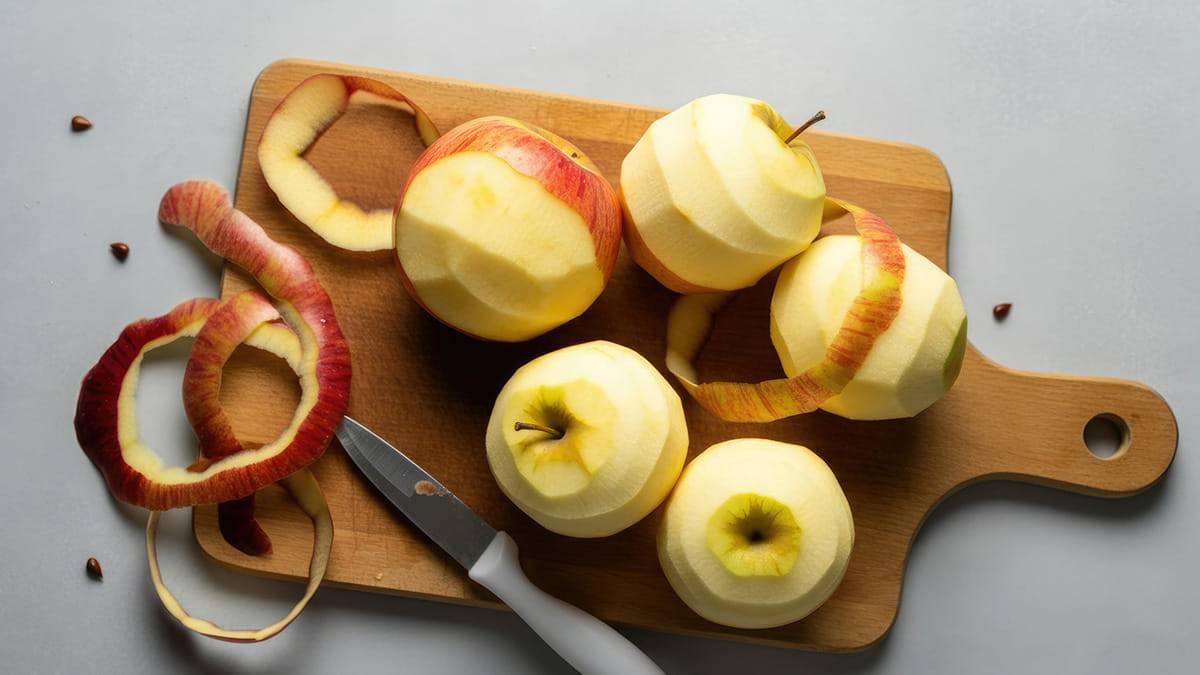
The short answer is yes, always peel your apples for making pie. Most people find it unappealing (pun intended). While it’s still technically a matter of personal taste real world taste tests including a case study we ran showed most people prefer it that way. In our own side by side test 18 individuals tried two otherwise identical apple pies. One was made with peeled apples and one with the skins left on.
17 out of 18 picked the peeled pie as the better tasting dessert. Only one taster said the skin didn’t bother them.
That lines up with what a lot of other home bakers and food bloggers report too. Once people actually taste both versions side by side the preference for peeled apples shows up almost every time. Let’s get into exactly why the skin causes so many problems in a baked pie and removing the flesh is the safer bet if you want a crowd pleasing dessert.
What Our Case Study Actually Found
I ran this comparison during a fall baking session with a mixed group of 18 tasters from colleagues to my friends and family, ages ranging from teens to retirees. Both pies used the same apple variety, the same amount of sugar and spice and baked side by side in the same oven. The only difference was the peel.
The feedback was lopsided. 17 tasters picked the peeled pie without hesitation, most bringing up the same handful of complaints about the unpeeled version before I even asked follow up questions. Only one person, someone who specifically said they liked a chewier bite in baked desserts preferred it unpeeled.
This wasn’t a large formal study but a 17 out of 18 result is a strong enough pattern that it matches what shows up again and again in comments sections and reviews on other apple pie recipes across the web. When people are asked directly which they prefer after tasting both, peel free versions wins by a long shot!
The Real Problems With Skin On Apple Pie
Here’s what tasters actually said when I asked why they didn’t like the unpeeled version. These are the same complaints that show up again and again whenever this topic gets debated among home bakers.
1) Skin gets stuck in the teeth. Baked apple peel doesn’t fully break down so thin strips of it wedge between teeth in a way peeled filling never does. Several tasters mentioned this without being asked.
2) Skin can get stuck in the throat. A few tasters described a scratchy catching sensation when swallowing a bite with a larger piece of peel in it. Nobody wants their food getting stuck on the way down.
3) Unpleasant taste. Apple skin holds a slightly bitter almost grassy flavour that becomes more noticeable once concentrated in a cooked filling. Peeling removes this completely.
4) Distracting chew. The skin holds its shape in the oven while the flesh softens around it. That contrast feels chewy or rubbery to a lot of people.
5) Ruins the texture overall. Beyond the chew the presence of skin makes the whole filling feel less smooth and less like the classic pie texture people expect.
6) Messy uneven slices. Skin resists the knife more than soft baked flesh does so slices tear instead of cutting cleanly. If you care about presentation then unpeeled pie makes that much harder to pull off.
7) Wax and residue concerns. Most supermarket apples use a food grade wax coating on the skin to extend shelf life. Leaving the peel on means that coating along with any pesticide residue sitting on the surface ends up in your filling unless you scrub it off completely first.
8) Extra washing time. To deal with that wax and residue you need to scrub every apple thoroughly before use. That washing step eats up close to the same amount of time peeling would have taken anyway so skipping the peeler doesn’t actually save you much.
Why the Texture Difference Is So Noticeable
Apple skin is simply tougher than the flesh underneath it. That’s how the fruit protects itself from bruising and moisture loss in the first place. In a raw apple this isn’t an issue since you’re biting through everything at once. But baking changes the equation completely.
The flesh softens and breaks down in the oven releasing it’s juices and turning tender. The skin barely changes. What you end up with is soft filling threaded with thin ‘n’ chewy ribbons that never fully cook down. That “clash” is exactly what tasters in our group kept describing as the biggest turnoff.
Does Apple Variety Change Anything?
A little but not enough to flip the overall result. Thin skinned varieties like Golden Delicious or Gala have a softer peel that blends in more once baked so the complaints tend to be milder with those apples. Thicker skinned varieties like Granny Smith or Honeycrisp hold their toughness much more stubbornly, making every one of the issues above more noticeable.
If you’re baking in the UK with Bramley apples the flesh cooks down into an especially soft almost fluffy filling. That makes the contrast with unpeeled skin even more obvious than it is with firmer American varieties like Granny Smith. Even with a softer skinned fruit though the small minority of tasters who don’t mind the skin still seem to be the exception rather than the rule.
What About the Slicing Problem Specifically?
This one surprises a lot of first time bakers. A knife glides cleanly through baked peeled apple filling. Hit a strip of peel mid slice and it drags, tearing the filling instead of cutting through it smoothly. If you’re serving pie for a holiday table or bringing it to a bake sale then clean slices matter more than people expect. Skin on pie makes that noticeably harder to pull off.
Bonus Tip: Turn Your Trimmings into Sauce
No need to toss those trimmings straight in the bin. With one extra step those scraps turn into a rich spiced sauce you can spoon over yogurt, pancakes or pork chops for weeks to come.
Before cooking anything down give the trimmings a proper soak first. Researchers at the University of Massachusetts found that a mix of 1 teaspoon of baking soda per cup of water works better than plain tap water or a bleach rinse at breaking down surface residue and wax coatings. Let the scraps sit in that solution for about 12 to 15 minutes then rinse them well under cool water before moving on. It won’t strip out everything hiding deeper in the inside the fruit but it clears off far more than a quick rinse ever could. Plus it takes the guesswork out of using skins you’d otherwise throw away.
Once rinsed, toss the trimmings into a saucepan with just enough water to cover them along with a splash of lemon juice to keep the colour bright. Add a stick of cinnamon, a pinch of nutmeg and a spoonful of sugar or honey to taste. Simmer everything on low heat for around 30 to 40 minutes, stirring now and then until the scraps go soft and start breaking down on their own.
From here, put the whole batch through a fine strainer or food mill, pressing firmly to push every bit of soft pulp through while leaving the tougher bits behind. What’s left in the bowl is a smooth ‘n’ naturally sweet sauce with a deeper almost caramelized flavour compared to sauce made from flesh alone. It’s a small extra step but it means nothing from your pie prep goes to waste and you end up with a second dessert basically for free.
Should You Peel Your Apples for Pies?
In my experience based on tasting results yes, always peel your apples for pie. It remains a personal preference on paper but the actual feedback from people points overwhelmingly in one direction. In my own test 94% of people chose the peeled pie. The reasons they gave were annoyances like stuck skin, odd texture, bitter taste and messy slices. These are the same complaints that show up across other bakers’ experiences too. If you want a dessert that wins over a crowd rather than dividing it then peeling apples for pie is the safer more reliable choice hands down.
If you’re ready to put this into practice our classic apple pie recipe with pie filling walks you through the peeled version step by step. Or try our apple custard pie recipe if you want a softer creamier twist on the classic. The last thing I want is to ruin a sweet treat for everyone by skipping one important step.
Now you know exactly why you should peel. Want more useful tips like this on baking with apples? Check out our complete guide to baking with apples. It covers everything from choosing the right variety to nailing your crust every time.