



You made the filling, smoothed it into the crust and now you’re standing at the fridge door wondering if it’s safe to peek yet. We’ve all been there. The good news is your cheesecake almost always needs more time than you think but not as much as you fear.
Here’s the short answer. A no bake cheesecake needs at least 4 hours in the fridge kept at 40°F (4°C) or below. However 6 to 8 hours or a full overnight rest gives you cleaner slices and a firmer bite. If you’re in a real hurry then the freezer can speed things up but only for a short burst of 30 to 45 minutes. It’s not a shortcut for the full set.
In my own kitchen, I’ve timed this many times and the pattern never really changes. Rush it and you get a soft sliding center. Give it the full rest and you get a clean slice every time. Let’s dig into why that timing matters so much and how to get it right.
What Actually Makes a No Bake Cheesecake Set?
Baked cheesecake firms up because heat cooks the eggs in the batter, turning the mixture from liquid to solid the same way an omelet sets in a pan. No bake cheesecake skips that step entirely. There’s no egg, no oven and no heat involved at all.
Instead the filling relies on cold and fat. Cream cheese is mostly milkfat and water and under FDA rules (21 CFR 133.133), real cream cheese sold in the US must contain a minimum of 33% milkfat. That fat is the real engine behind the set. Milkfat stays soft and spreadable at room temperature but firms up into a solid structure once it drops below roughly 90°F (32°C), according to dairy science research from the Center for Dairy Research. That’s why a filling that looked loose in the bowl turns dense and sliceable after enough time in the cold.
Some recipes add gelatin for extra insurance, especially fruit based ones like a lemon cheesecake with a heavier curd swirl. Gelatin starts to gel around 68 to 77°F (20 to 25°C) as it cools but a 2014 study published in the journal Food Hydrocolloids found that gelatin gels typically melt again once they warm back up past roughly 95°F (35°C), just under body temperature. That’s part of why gelatin set desserts feel so silky in the mouth but it also explains why they need a proper cold rest to hold their shape on a plate rather than a quick few minutes in the fridge.
Think of it less like baking and more like setting a jelly or a mousse. Patience really is the main ingredient here and no amount of stirring will speed up the chemistry.
How Long Should You Chill It in the Fridge?
Chill time depends on the size and thickness of your cheesecake. Here’s a breakdown based on what actually works in a home kitchen.
Mini cheesecakes or jars: 3 to 4 hours minimum since the smaller portions have less filling to firm up.
Standard 9 inch springform cheesecake: at least 6 hours, ideally overnight.
Thicker dense fillings like a no bake lemon cheesecake with a heavier curd swirl: closer to 8 hours or a full overnight rest.
Fruit topped versions, like a no bake strawberry cheesecake: chill the base fully before adding a fresh fruit topping since the extra moisture can slow the set down.
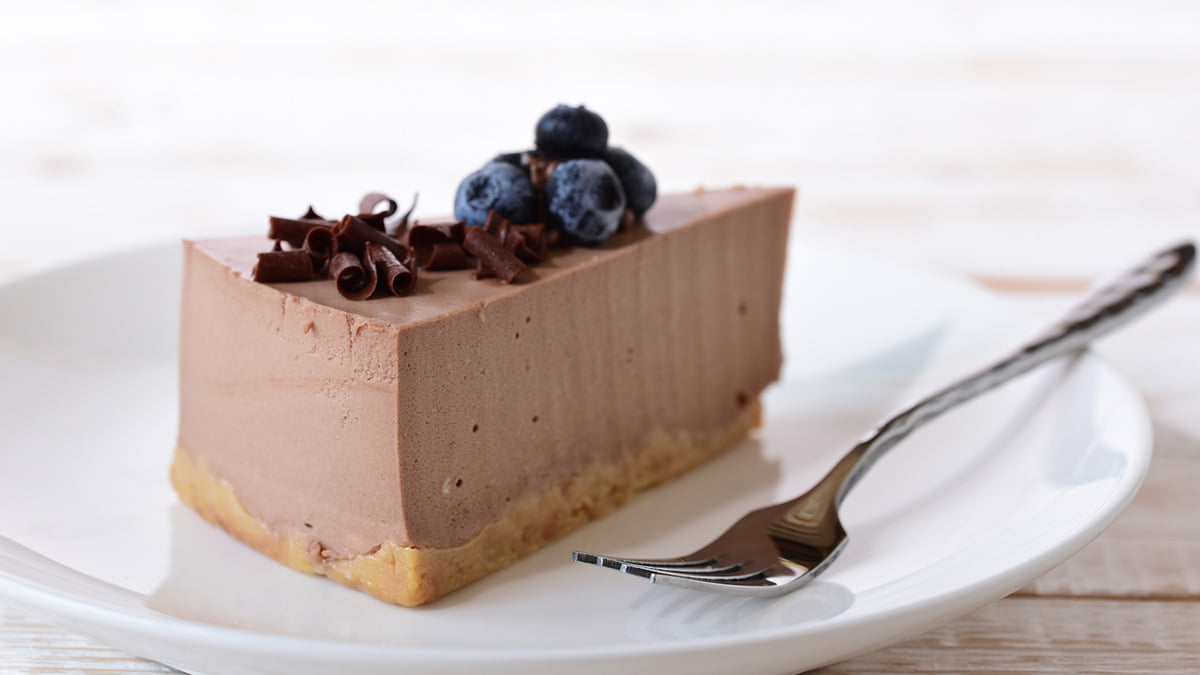
If you’re not sure whether it’s ready just check the surface. A properly set cheesecake looks smooth, holds a slight sheen and feels firm rather than sticky when you touch the edge lightly. If it looks glossy and wet or wobbles like jelly on a plate give it more time.
One quick note for anyone bouncing between American and British recipes: US versions usually call for graham cracker crumbs in the crust, while UK bakers often use digestive biscuits instead. Some older UK recipe cards even call the whole dessert an icebox cheesecake, a nod to the days before modern refrigerators. That swap doesn’t change the chill time much but digestive based crusts tend to hold together a little firmer once sliced.
Can You Speed It Up in the Freezer?
Yes and no. The freezer plays two very different roles depending on what you’re trying to do and mixing them up is where a lot of home bakers get tripped up.
As a quick chill trick popping the cheesecake in the freezer for 30 to 45 minutes can speed up the initial firming stage. This works well when you need a faster turnaround for a dinner party or a last minute dessert run. Don’t leave it in much longer than that though since ice crystals start to form and mess with the smooth creamy texture that makes no bake cheesecake so good in the first place.
As a make ahead storage method freezing works beautifully once the cheesecake is already fully set in the fridge. The FDA and USDA’s Food Safety and Inspection Service also recommend keeping freezers at 0°F (-18°C) or below for safe long term storage. Wrap the cheesecake tightly in plastic wrap and foil and it will hold its quality well for a month or two. When you’re ready to serve it move it to the fridge and let it thaw slowly overnight rather than on the counter, since slow thawing keeps the texture creamy instead of watery.
So the rule of thumb is simple. Use the freezer to speed up a short wait or to store a cake that’s already finished setting. Don’t rely on it to replace the full fridge chill.
How Do You Know When It’s Actually Set?
Beyond the sheen and firmness test there are a couple of other checks worth doing before you slice it up.
Press the center gently with one finger. A set cheesecake springs back slightly and feels cool and dense not soft or sunken. You can also run a thin knife around the edge. If it pulls away cleanly from the pan without dragging or sticking, that’s a strong sign the filling has firmed all the way through not just around the outer rim.
What Mistakes Slow Down the Chill Time?
A few small habits can throw off your timing without you even realizing it.
Skipping the fridge temperature check. If your fridge runs warmer than 40°F (4°C) everything inside sets slower, cheesecake included. A basic appliance thermometer costs a few dollars and takes all the guesswork out.
Using warm filling straight into the pan. Room temperature cream cheese blends smoothly, which is great for avoiding lumps but if the whipped cream or gelatin mixture folded into it isn’t properly chilled first, you’re adding extra minutes to the clock without realizing it.
Opening the fridge every twenty minutes to check. We get it the anticipation is real. But every time the door opens the internal temperature bumps up slightly and repeated openings over a long chilling session can genuinely slow things down.
Cutting corners on ingredients. Swapping in low fat cream cheese changes how much structure the filling can hold since fat content directly affects firmness. It may need extra time or it may simply never set as firmly no matter how long you wait.
A Quick Example From My Own Kitchen
I once prepped a no bake strawberry cheesecake for a weekend party and pulled it out after four hours because it looked “close enough.” The edges held their shape but the center was still soft and slid around the moment I tried to lift a slice. That’s the classic sign of an underset cheesecake and it almost always traces back to not giving it enough time.
The next time I made the same recipe, I left it in the fridge overnight instead. It sliced cleanly, held its shape on the plate and the strawberry flavour had actually mellowed and blended into the cream cheese base by morning. That’s not just a texture win it’s a flavour win too since resting time lets the ingredients settle together properly.
Final Summary
Give your no bake cheesecake a minimum of 4 hours in a fridge set to 40°F (4°C) or below but aim for 6 to 8 hours or a full overnight rest whenever your schedule allows it. Use the freezer as a quick assist when you’re in a pinch, not as a replacement for proper refrigeration. If you’ve already given it the full rest and it’s still not firming up, something else is likely going on with your ingredients or ratios.
For a full breakdown of why your no bake cheesecake is runny or soft even after chilling, check out our complete guide to help you with your dessert problems.