



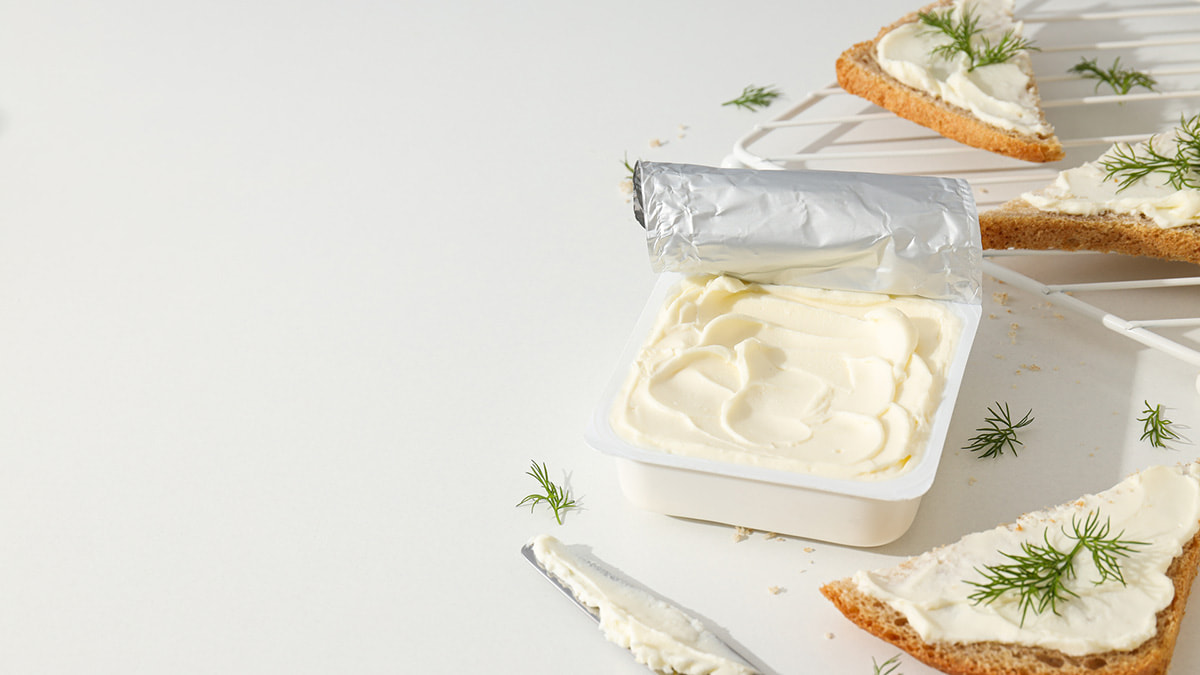
You grabbed the tub of low fat cream cheese because it was on sale or maybe you’re trying to lighten things up a bit. Here’s the short answer. Reduced fat cream cheese is a lighter version of the classic block. It’s made by stripping out a chunk of the milk fat and swapping in more water and a few thickeners to hold the texture together. Yes it can still make a cheesecake but it behaves differently. Less fat and more moisture means your cheese cake is more likely to turn out softer or looser especially if you’re making a no bake version. Personally I don’t like to risk using lower quality ingredients and spoil the texture.
In my experience when testing this lighter swap in cheesecakes for this site, that difference showed up the fastest in a chilled no bake filling. Baked versions are a bit more forgiving since the oven helps set things through the eggs. Either way you’ll notice the richness is diluted and it has a softer bite. You might still get that classic tang but it’ll miss that deep creaminess that you get with the original.
Keep reading if you want to know why this happens and what to do about it. The science is actually pretty simple once you see what fat’s doing inside that filling.
What Actually Counts As Low Fat Cream Cheese?
Not all “light” tubs are made the same way and the label can mislead you if you don’t know the numbers behind it.
In the United States full fat cream cheese must contain a minimum of 33% milk fat and can’t exceed 55% moisture. That’s the legal cutoff set by the FDA’s standard of identity for cream cheese. Canada sets the bar a touch lower requiring at least 30% milk fat under the Canadian Dairy Commission’s standard.
Once a brand drops below that threshold things get looser, literally. A standard light cream cheese usually lands around 11% to 13% fat. Fat free versions drop that number to basically zero and get this, one nutrition database clocks fat free Philadelphia at nearly 79% water by weight. There’s also Neufchatel which is a lesser known cousin that sits between 20% and 33% milk fat under FDA rules. That makes it a nice middle ground if you want something lighter without going all the way to fat free.
To make up for that missing richness most reduced fat and fat free brands lean on fillers and thickeners. Think carrageenan, xanthan gum or carob bean gum. These do a fine job on a bagel. They don’t always behave the same way once baked or chilled into a dessert and this is the exact problem. The other issue I’ve found is that they can even have an aftertaste from the additives.
It’s worth noting the USDA grading specifications require cream cheese to be tempered to a specific range before evaluation. Just a small reminder that temperature and moisture shape almost every property this cheese has. That includes spreadability and how well it holds up once folded into a filling.
Why Fat Matters So Much In A Cheesecake
Dairy fat isn’t just there for flavour even though it does make everything taste better. Inside a baked or chilled dessert, milkfat pulls triple duty and that’s exactly what a reduced fat spread has less of. The good stuff we all need in our desserts!
First it wraps around the milk proteins and keeps them loose instead of clumping together. That gives cheesecake its smooth sliceable bite instead of a grainy one. Second, in a baked batch fat slows down how fast the eggs firm up helping you dodge the cracked overcooked top everyone dreads. Finally this matters the most for no bake recipes, fat hardens as it cools. That firming up is the main reason a chilled dessert holds its shape once it leaves the fridge.
Take away a good chunk of that richness and swap in extra water instead and it starts to wobble like Patrick from SpongeBob SquarePants. The last thing I want is to mess up a birthday cake or party treat that’s why we prefer to grab the things with quality ingredients when shopping.
What Actually Happens When You Swap It In?
In baked cheesecake low fat cream cheese will likely still set since the eggs and oven heat handle most of the structural work. What changes though is the mouthfeel and this is something we found immediately from the first time we mistakenly bought this version. Expect a slightly denser bite and occasionally a rubbery edge. Weeping is also common as that watery layer that sometimes pools on top after baking. A lighter spread naturally traps more moisture and that extra liquid has to escape somewhere. The surface usually takes the hit.
With no bake cheesecake is where things get trickier! There’s no oven doing the structural work here. The filling relies almost entirely on chilled dairy fat and sometimes whipped cream or gelatin to hold its shape. Less richness simply means less backbone. I tested this side by side in my own kitchen a while back using a fat free batch next to a full fat batch. I noticed the lighter version needed close to twice as long in the fridge to firm up. It still sliced a bit softer once it was done.
Picture real butter versus a diet spread. Butter firms up neatly and holds its shape. Lighter spreads often stay soft and slightly greasy instead as they’re normally made with more water and additives added in to fake richness. Cream cheese follows a similar pattern.
A Real World Example Worth Picturing
Picture a classic New York style cheesecake, the kind that’s tall dense and holds a perfectly clean slice on the plate. That texture comes from a generous helping of full fat cream cheese along with eggs and often sour cream too. Swap that base for a fat free tub and you’d probably end up with something closer to a cheesecake flavoured pudding. That’s a far cry from the firm ‘n’ rich wedge people expect at a bakery shop. If you’d like to see how the full fat version should look and feel our New York style cheesecake recipe is a solid reference point.
A fruit forward chilled cheesecake can sometimes handle a partial swap a little better. That’s mainly because it often leans on extra gelatin or whipped cream to help hold everything together anyway. The same logic applies whether you’re leaning toward a pumpkin swirl, a berry ripple or a nutty pistachio twist. Whatever flavour you’re chasing the fat percentage in your base ingredient still calls most of the shots.
Does This Vary By Country?
A little, yes and it’s worth knowing if you’re baking from an overseas recipe. In the UK a standard tub of Philadelphia sits around 23% fat while the “light” version drops to roughly 11.5%. A comparable American product is often labelled “1/3 less fat” which is really just Neufchatel by another name.
Fun fact worth knowing: lovefood.com once ran a blind taste test pitting regular Philadelphia against the light version. Six tasters couldn’t agree on a clear winner. Some preferred the fuller flavour of the original while others liked the smoother spreadability of the light tub. So the swap isn’t automatically a downgrade on taste it’s mostly a texture and structure trade off once it hits a cheesecake filling.
So if you’re baking a US recipe with a UK tub of light cream cheese don’t assume the fat percentages line up. The same goes in reverse. They rarely match up exactly.
Should You Use It Anyway?
If you’d still like to lighten your bake you don’t have to abandon the plan altogether. A handful of small tweaks and workarounds can help close the gap.
Reach for Neufchatel or a “1/3 less fat” tub rather than fat free cream cheese. It sits close enough to full fat that most guests won’t notice much difference.
Stick with a baked cheesecake rather than a chilled no bake one if you’re working with a lighter spread. Baking gives you a backup source of structure through the eggs.
Making it no bake anyway? Add a touch of gelatin. Or lean on stabilized whipped cream to help pick up the slack that missing fat would normally cover. This is why we recommend using this as a core ingredient in our recipes.
Chill it longer than feels necessary. Lighter options often need extra hours in the fridge to firm up properly, sometimes closer to overnight rather than the standard 4 hours.
Taste the tub on its own first. Some diet brands carry a tangier sourer edge that can throw off your recipe’s balance.
If you’re troubleshooting a dessert that’s already gone sideways then it’s worth figuring out whether a reduced fat spread was really the culprit true here. Something else might have played a role too such as under measuring an ingredient, warm mixing bowls or simply not chilling long enough. Our full guide on why your no bake cheesecake didn’t set walks through the usual suspects so you can pin down exactly what went wrong and fix it.
Quick Question: Is Neufchatel The Same Thing?
Not quite. Neufchatel sits between the standard block and the diet tub, tangier in some brands and softer in others. Treat it as a compromise not a swap. We’ve found that you’ll still lose some silkiness compared to full fat but the drop is far smaller than with a fat free brand.
Final Summary
Low fat cream cheese isn’t a disaster waiting to happen but it does shift the outcome a bit. It brings more moisture and less backbone to the filling. That matters more in chilled no bake cakes than baked ones. From what I’ve seen testing both versions side by side, richness and a clean slice mean sticking closer to full fat or Neufchatel. If you’re happy trading that signature firmness for fewer calories, go for it. Just adjust your expectations, your chill time and maybe your gelatin along the way.