



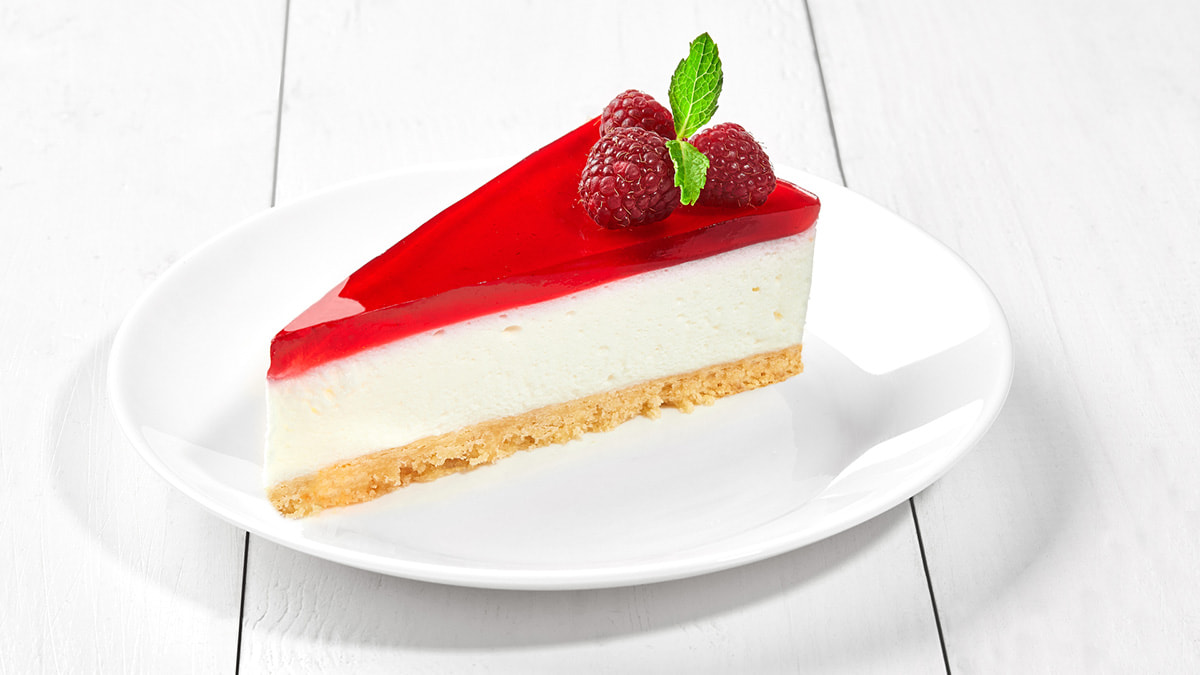
No bake cheesecake is a chilled dessert held together by cream cheese and whipped cream instead of an oven. Yes you can freeze it. Give it 3 to 6 months in the freezer and it will still taste like a proper treat, according to the USDA’s own storage guidelines.
Here’s the short and sweet answer though. Freezing works well when three things happen. The filling fully sets first. It gets wrapped tightly. It thaws slowly in the fridge instead of on the counter. Follow those steps and you’ll get a slightly firmer denser slice that still tastes like the real thing.
In my own kitchen I’ve frozen dozens of chilled cheesecake slices ahead of parties and holidays. I even did it once before a birthday when the oven decided to stop working just before the party. The freezer trick has bailed me out more than once so let’s look at why it works and where people usually go wrong.
Why Does Freezing Change The Texture At All?
A cream cheese and whipped cream filling holds its shape through fat, air and sometimes gelatin. It isn’t set by cooked eggs the way a baked version is. That soft structure is wonderful at fridge temperature but it’s also a bit fragile once ice gets involved.
Here’s a fun one for you. Cream cheese might feel rich and dense but under all that creaminess more than half of it is just water. By FDA standards cream cheese must contain at least 33% milkfat and it can legally hold up to 55% moisture. That’s a lot of water just waiting to turn into ice the moment your freezer gets to work.
Compare that to a hard cheese like parmesan which sits under 40% water. That’s a big part of why parmesan shrugs off the freezer while cream cheese throws a bit of a tantrum. Less water simply means less ice forming inside it.
When that water freezes, it forms crystals. Think of it like sugar versus sand. Small crystals, somewhere around 10 to 20 microns melt away smoothly on your tongue. Crystals over 50 microns are the ones you actually notice and that’s the graininess people complain about after freezing dairy desserts. A standard home freezer isn’t built to control crystal size the way commercial equipment can so a little graininess after freezing is completely normal.
Whipped cream usually suffers first. It’s full of tiny air pockets and freezing can collapse a portion of them. Gelatin can also behave oddly after a freeze and thaw cycle sometimes turning slightly rubbery instead of staying silky smooth.
None of this makes the dessert unsafe to eat. It’s a quality change not a spoilage issue. Plenty of home bakers across the United States freeze cheesecake ahead of Thanksgiving. We’ve found bakers in the UK do the same before Christmas precisely because the flavour holds up even when the texture softens a little.
How Long Does It Actually Last In The Freezer?
Your fridge gives a no bake cheesecake about a week to shine. The freezer buys it a whole new lease on life. The USDA FoodKeeper guidelines list cheesecake at 5 to 7 days in the fridge and 3 to 6 months in the freezer for the best eating quality.
Here’s the fun part. A freezer running at a steady 0°F basically pauses time on food safety. Properly wrapped food stays safe to eat indefinitely at that temperature according to the FDA. It’s quality that fades first not safety, so nothing dangerous happens once you go past that 6 month mark. The filling simply loses some fresh flavour and the texture drifts a bit further from where you started.
If you’re freezing ahead for something specific like a birthday a few days away or a holiday a month away, you’re well inside that quality window. I once froze a no bake cheesecake for 3 months by accident, oops! It was still perfectly fine to eat but I could taste and feel the difference compared to a fresher batch. This is why we always recommend our readers to enjoy everything as fresh as possible for superior taste.
How Do You Freeze It The Right Way?
Let it fully set first. This is the step people skip most often and it causes more disappointment than the freezer itself. Give the filling several hours, ideally overnight in the fridge before it goes anywhere near the freezer. A soft filling going in stays a soft filling coming out. This was an important tip we learnt along the way.
Slice it before freezing when you can. Individual portions thaw faster and more evenly than a whole cake. You also only pull out what you need instead of defrosting the entire dessert for one craving.
Wrap it properly. Press plastic wrap directly against the surface then add a layer of foil on top. Air exposure causes freezer burn and lets your dessert pick up odours from whatever else is in there.
Leave toppings off. Fresh fruit, caramel drizzle and whipped cream garnishes don’t freeze well. Fruit turns watery and cream toppings can weep once thawed. Add anything decorative after the piece has thawed.
Does Every No Bake Cheesecake Freeze The Same Way?
Not exactly. Denser fillings with a higher ratio of cream cheese to whipped topping tend to hold their structure better through a freeze and thaw cycle. Light ‘n’ airy mousse style versions are more likely to lose some of their bounce. If you know you’ll want to freeze part of a batch then plan for it early. Building the filling on the denser side gives you a bit of a safety net.
That’s part of why our apple and caramel cheesecake works so well as a make ahead dessert for autumn get togethers. Its richer filling handles freezing better than a lighter whipped version would. If you like prepping in individual portions our pistachio cheesecake recipe also holds up nicely when sliced and frozen ahead of time. A single serving is always ready when a craving hits.
How Should You Thaw It Without Ruining The Texture?
This step matters just as much as the freezing itself. Move the wrapped dessert from the freezer to the fridge and let it thaw slowly. A whole cake usually needs 6 to 8 hours, sometimes closer to a full day. A single slice softens in about 2 to 3 hours.
Thawing on the counter is tempting when you’re short on time but here’s why it’s worth resisting. Food safety experts define 40°F to 140°F as the danger zone. That’s the range where bacteria multiply fastest doubling in number in as little as 20 minutes. Leave your cheesecake sweating on the counter and you’re basically rolling out the red carpet for bacteria. The general rule is to never leave perishable food out longer than 2 hours or just 1 hour if the room is especially warm.
Counter thawing also causes condensation to form on the surface. That extra moisture is exactly what leaves you with a soggy runny slice instead of a clean one. Patience pays off here both for texture and for safety.
What If It Never Set Properly In The First Place?
Freezing only locks in whatever texture the filling had going into the freezer. It doesn’t fix a runny or underset base it just chills the problem further. If your dessert struggles to firm up even after a full night in the fridge that’s a separate issue worth solving first.
A few things usually cause a filling that won’t set. Common culprits include the wrong type of cream cheese, gelatin measured incorrectly or not enough undisturbed chilling time. We’ve put together a full breakdown covering exactly what causes a no bake cheesecake to stay soft and how to fix each cause. It’s worth a read before your next batch heads anywhere near a freezer.
Is Freezing Worth It?
To be honest we always recommend to eat things fresh as possible without freezing whenever you can. However if you have to do it then It’s a genuinely useful make ahead trick once you know the rules. Set it fully, wrap it well, skip the toppings until serving time and thaw slowly in the fridge. Do that and you’ll end up with a no bake cheesecake that’s a touch denser than fresh but still creamy, flavourful and worth a second slice.