



Spread it on both slices of bread not just one. Every open surface needs a raincoat.
You know the sandwich you built with love at 7 a.m. and wrapped up like a tiny edible present that by lunchtime had turned into a sad damp brick. The lettuce is limp. The bottom slice of bread has basically become part of the tomato and you’re sitting there eating it anyway because you already packed it and life is short.
Here’s the good news. This is not bad luck. It’s not “just what homemade sandwiches are like.” It’s physics, and once you understand it, it’s stupidly easy to fix. Restaurants and sandwich shops that turn out a perfect stack every single time aren’t guessing. They’re following an order and that order is doing more work than any ingredient you’re using.
Why Bread Acts Like a Sponge
Bread is full of tiny air pockets from the yeast and gluten doing their thing while it bakes. That airy structure is exactly what makes bread so good to eat and it’s also exactly why it soaks up moisture the second something wet touches it. Think of bread less like a solid wall and more like a stack of little straws ready to suck up whatever liquid is nearby.
That’s why a tomato sitting directly on bread for even twenty minutes can turn a crisp slice into something you’d rather not photograph. It’s not the tomato’s fault it’s just doing what liquid does around something absorbent.
The fix isn’t avoiding juicy ingredients. It’s putting something in between that liquid can’t get through.
The Barrier Layer: Your Bread’s Raincoat
Fat is the single biggest thing that separates a soggy sandwich from a great one.
Butter, mayo, pesto, cream cheese and even good olive oil all have one thing in common. They’re hydrophobic, meaning the fat molecules don’t mix with water. When you spread a thin layer of any of these directly onto your bread you’re basically painting on a raincoat. Water based ingredients on top can sit there for hours and the moisture simply can’t push through that fat layer to reach the bread underneath.
This is exactly why a chicken and pesto panini holds its crunch even after it’s been pressed and stacked, because that layer of pesto is doing quiet, unglamorous work keeping the bread dry while everything else gets to be juicy and delicious.
A few rules that make this barrier actually work:
- Spread it on both slices of bread not just one. Every open surface needs a raincoat.
- Get it all the way to the edges. A gap at the corner is an open door for moisture.
- Keep it thin. You want a barrier not a swimming pool. Too much spread just adds its own moisture problem.
Cheese Isn’t Just Flavour, It’s Glue and Armor
Cheese pulls double duty in a good sandwich. First, when it’s placed right next to your spread it reinforces that moisture barrier since cheese itself is fairly low in free moisture and high in fat. Second, once it’s had a moment to soften against warm ingredients or a hot pan it acts like glue, holding your fillings together so they don’t slide out the second you take a bite.
This is basically the whole secret behind a good grilled cheese and it’s why the classic pairing of tomato soup and grilled cheese works so well as comfort food. The cheese toasts against the bread and forms a seal so you get a crisp sturdy sandwich built specifically to survive a dunk in soup without falling apart in your hand.
For a cold sandwich, sliced cheese sitting right on top of your spread does the same protective job, just without the melting part. If you want to see this idea taken to its full glorious extreme, a mushroom grilled cheese leans on the natural moisture in sautéed mushrooms as proof that even a “wet” filling can work beautifully, as long as the cheese and bread are doing their barrier job properly on either side.
Greens Are Your Backup Defense System
Even with a solid fat barrier some ingredients are just too wet to trust completely on their own. Tomatoes, pickles, juicy cucumbers, anything you’d describe as “dripping.” For these a layer of lettuce, spinach or arugula acts as a second line of defense sitting between the wet stuff and your bread like a little umbrella.
This is a big reason why a turkey BLT holds up so much better when the lettuce goes right after the barrier layer, with the tomato and bacon stacked behind it rather than letting that tomato touch the bread directly. The lettuce takes the hit so your bread doesn’t have to.
One more trick that actually makes a real difference is if you’re using tomatoes, give the slices a light sprinkle of salt and let them sit on a paper towel for a few minutes before you build your sandwich. Salt pulls excess water out of the tomato through osmosis and patting that moisture away before it ever reaches your bread means less sogginess later, whether you’re eating right away or packing lunch for later.
The Actual Order
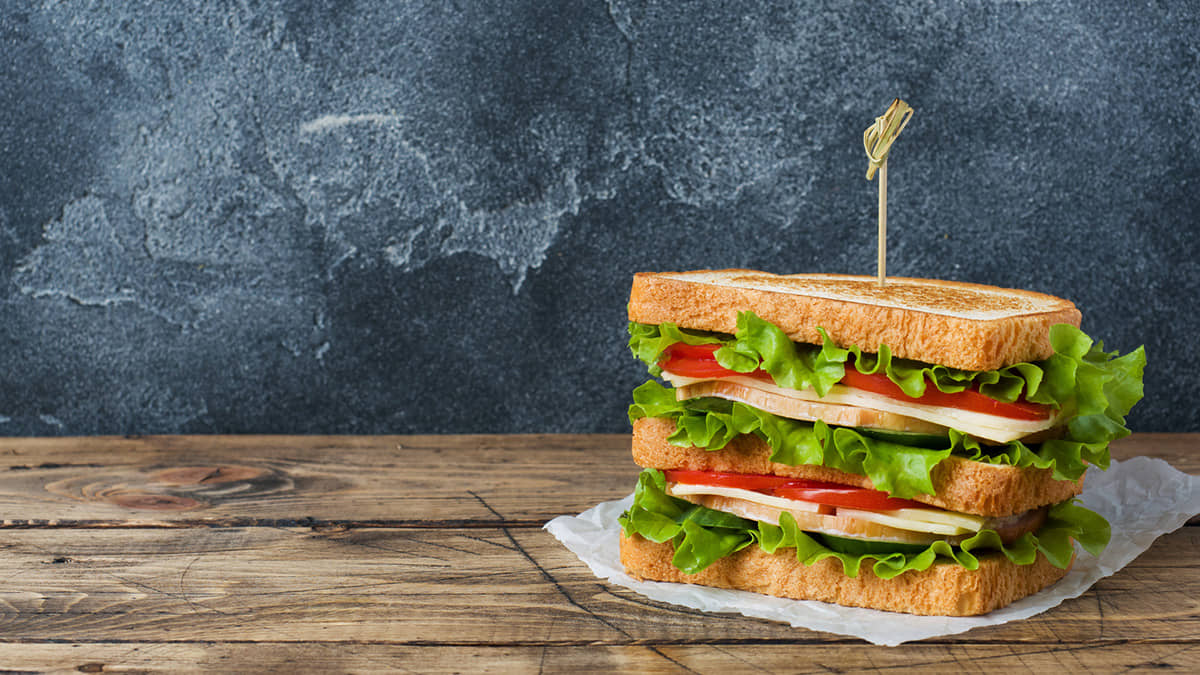
Alright here’s the full stack, bottom to top for a standard cold sandwich:
- Bottom bread slice
- Fat based spread, all the way to the edges
- Cheese, right against the spread (if using)
- Protein, laid flat and even rather than balled up so every bite gets some
- Barrier greens like lettuce or spinach
- Wetter ingredients such as tomato, pickles or onion
- Second fat based spread on the top slice
- Top bread slice
Notice the pattern. The wettest ingredients are buried in the middle protected on both sides while the driest and most fat rich layers sit closest to the bread. This is exactly the logic behind why a chicken melt tastes so good even after it’s rested for a few minutes. The protein and cheese sit close to the bread doing their protective job, while anything juicy stays tucked safely in the center.
It’s also why an avocado turkey sandwich needs a little thought. Avocado is basically a natural spread with a mind of its own so treating it like your fat barrier layer right against the bread, actually works in your favour instead of against it. Smash it thin, right up to the crust and let the turkey and any crunchy veggies sit on top where they belong.
Hot Sandwiches Play by Slightly Different Rules
Everything above holds for cold sandwiches but once heat gets involved, a few things change.
For grilled or pressed sandwiches like a panini or melt, you actually want your fat layer on the outside of the bread too not just the inside. That outer layer of butter or mayo is what gives you that deep golden crust when it hits a hot pan or press. Meanwhile the inside barrier still does its usual job of keeping moisture away from the crumb.
Cheese also becomes more important structurally here. In something like a chicken melt or a fish sandwich with a warm flaky filling, melted cheese acts as the glue holding everything together once you cut into it, so the filling doesn’t just slide out the second you pick it up. Placing that cheese directly next to the bread rather than buried deep in the middle, means it melts against the surface and helps seal in moisture from the protein instead of letting it soak straight into the bread.
The Quick Cheat Sheet
If you only remember one thing from this whole article let it be this: fat first, wet stuff in the middle.
Here’s the shortest possible version to keep in your back pocket:
- Spread fat based condiments on both slices, right to the edges
- Cheese goes next to the spread, not buried in the center
- Lay protein flat instead of piling it in one clump
- Greens act as a buffer before anything juicy
- Salt and pat dry any tomatoes ahead of time
- For hot sandwiches, butter or mayo goes on the outside too for a golden crust
The Bottom Line
A sandwich falling apart or turning soggy was never really about bad luck or cheap bread. It’s about moisture, fat and a little bit of order. Once you build with that barrier layer in mind and keep your wettest ingredients tucked safely in the middle, you’ll notice the difference on the very first bite and you’ll definitely notice it a few hours later when lunch actually still looks like lunch.
So next time you’re deciding what to make, whether it’s a turkey BLT, a fish sandwich or a chicken melt that needs to survive the walk to your desk you’ve now got the blueprint. The ingredients matter for sure but the order is what makes it perfect every single time.